Transform agricultural waste into profitable enterprises through biological inputs, waste-to-wealth technologies, sustainable agriculture solutions, and rural entrepreneurship development.
India generates millions of tonnes of agricultural residues, organic wastes, animal manures, processing by-products, and biomass resources every year. When properly managed, these materials can become valuable raw materials for biofertilizers, biostimulants, PGPR formulations, PROM, enriched composts, organic soil amendments, and sustainable agricultural inputs.
Krishigence helps entrepreneurs, FPOs, SHGs, startups, agribusiness companies, and investors establish commercially viable biological input enterprises through consultancy, technology transfer, project reports, feasibility studies, training, and implementation support.
From village-level production units to large-scale manufacturing facilities, we help transform waste streams into sustainable businesses that improve soil health, support farmers, generate rural employment, and contribute to regenerative agriculture.
Building Wealth from Agricultural and Organic Resources
Across India, enormous quantities of valuable organic resources remain underutilized. Cow dung from gaushalas, poultry litter, press mud from sugar mills, bagasse, crop residues, fruit processing waste, municipal organic waste, water hyacinth, wild biomass, slaughterhouse residues, and spent mushroom compost are often treated as disposal problems rather than economic opportunities.
At the same time, farmers are increasingly seeking biological alternatives that improve soil health, nutrient efficiency, crop productivity, and sustainability. This growing demand is driving rapid expansion in the markets for biofertilizers, biostimulants, PGPR, PROM, microbial inoculants, enriched composts, and organic soil conditioners.
For entrepreneurs, FPOs, SHGs, and agribusiness companies, this creates a unique opportunity to establish enterprises that convert locally available resources into high-value agricultural products while supporting sustainable farming systems.
Unlike many manufacturing sectors, biological input enterprises can be developed at multiple scales—from home-based production units and community enterprises to large commercial manufacturing facilities—making them suitable for a wide range of investment capacities.
"Waste to Wealth • Sustainable Agriculture • Rural Entrepreneurship"
WHAT WE OFFER
Technology Transfer
Transfer of proven technologies for biofertilizers, biostimulants, PGPR, PROM, composting, microbial products, and sustainable agricultural inputs.
Project Reports & Feasibility Studies
Investment-grade DPRs, feasibility studies, financial projections, market assessment, and business planning support.
Manufacturing Unit Setup
Technical guidance for establishing small, medium, and industrial-scale biological input production facilities.
Product Development
Support for product selection, production processes, quality protocols, and commercialization strategies.
Training & Capacity Building
Hands-on training programs for entrepreneurs, FPOs, SHGs, startups, institutions, and agribusiness companies.
Regulatory & Compliance Guidance
Guidance on regulatory requirements, registrations, quality standards, and industry compliance procedures.
Technical Audits
Evaluation of existing production facilities to identify bottlenecks and improve operational performance.
Business Development Support
Market assessment, branding, business expansion strategies, and commercialization guidance.
WHO CAN BENEFIT
FPOs & Farmer Cooperatives
Convert local biomass resources into profitable agricultural input businesses.
Self Help Groups (SHGs)
Develop low-investment rural enterprises with recurring market demand.
Expand product portfolios and strengthen market presence.
Organic Farming Enterprises
Develop integrated solutions for sustainable crop production.
Investors & Agribusiness Companies
Explore emerging opportunities in regenerative and sustainable agriculture.
NGOs & Development Organizations
Promote livelihood generation and circular economy initiatives.
Educational Institutions
Support entrepreneurship, training, and technology demonstration programs.
BUSINESS OPPORTUNITIES & MARKET POTENTIAL
Transforming Agricultural Resources into Sustainable Enterprises
India possesses one of the world’s largest reserves of agricultural biomass, organic residues, livestock waste, agro-industrial by-products, and biodegradable organic materials. Unfortunately, much of this valuable resource remains underutilized, creating both environmental challenges and missed economic opportunities.
At the same time, growing concerns about soil degradation, declining organic matter, excessive dependence on chemical inputs, and increasing demand for sustainable agriculture are creating strong markets for biological agricultural inputs such as biofertilizers, biostimulants, PGPR formulations, PROM, enriched composts, microbial products, and organic soil amendments.
This combination of abundant raw materials and growing market demand presents significant opportunities for entrepreneurs, FPOs, SHGs, agribusiness companies, and rural enterprises.
Business Opportunities
Cow Dung Based Enterprises
India’s gaushalas, dairy farms, and livestock owners generate enormous quantities of cow dung that can be converted into compost, enriched compost, PROM, biofertilizers, microbial products, and organic soil amendments.
Poultry Litter Management
Large volumes of poultry litter generated across many states can be scientifically processed into value-added agricultural inputs, reducing environmental problems while creating new revenue streams.
Press Mud & Sugar Industry By-products
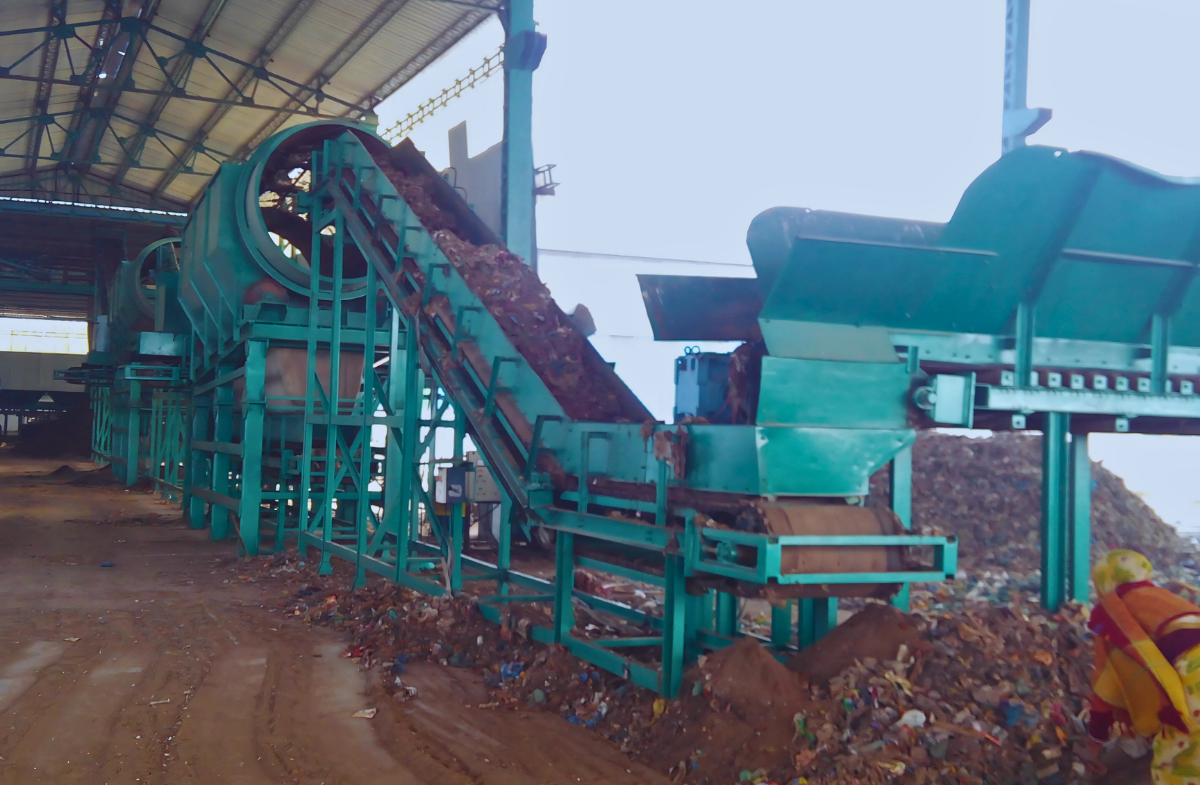
Sugar mills generate substantial quantities of press mud and bagasse that can be utilized for PROM production, composting, soil conditioners, and organic nutrient products.
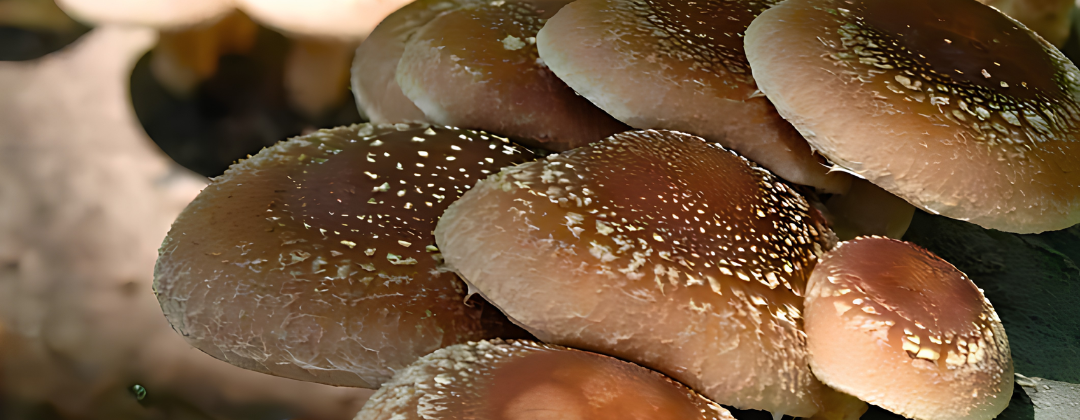
Spent Mushroom Compost Utilization
Commercial mushroom farms generate large quantities of spent mushroom compost, which can be converted into enriched composts, soil conditioners, organic growing media, and value-added agricultural products.
Fruit & Vegetable Processing Waste
Mango processing, fruit pulp industries, vegetable processing units, and food industries generate organic residues suitable for composting, microbial products, and biological input manufacturing.
Water Hyacinth & Invasive Biomass Management
Problematic aquatic weeds and invasive biomass can be transformed into composts, organic amendments, and circular economy products while supporting environmental restoration.
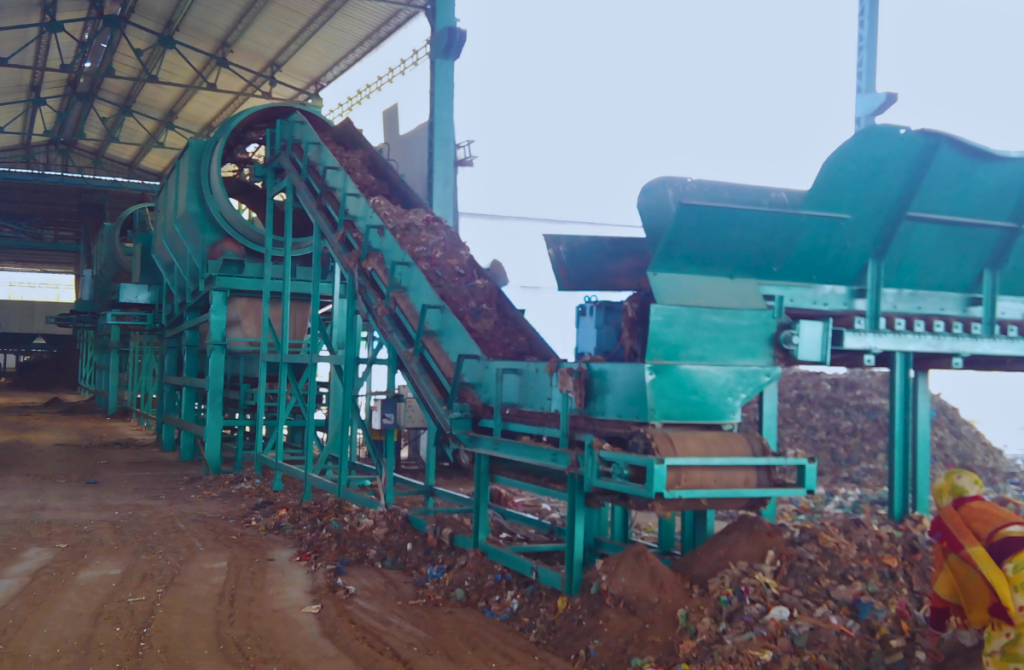
Municipal Organic Waste Processing
Biodegradable municipal waste can be converted into composts, soil conditioners, and agricultural inputs through scientific processing and microbial technologies.
Rural Circular Economy Enterprises
Biological input production offers opportunities for creating localized enterprises that convert regional waste streams into products demanded by farmers, horticulturists, nurseries, plantations, and organic farming businesses.
Growing Market Demand
Demand continues to expand from:
✓ Organic Farming
✓ Natural Farming
✓ Regenerative Agriculture
✓ Horticulture
✓ Plantation Crops
✓ Tea Gardens
✓ Sugarcane Cultivation
✓ Banana Cultivation
✓ Potato Production
✓ Vegetable Farming
✓ Fruit Orchards
✓ Protected Cultivation
✓ Nursery Industry
✓ Export-Oriented Agriculture
For entrepreneurs seeking sustainable, scalable, and future-ready businesses, biological agricultural inputs represent one of the most promisingopportunities in modern agriculture.
COMMON CHALLENGES IN BIOLOGICAL INPUT ENTERPRISES
Understanding the Challenges Before You Invest
While biological agricultural inputs offer significant opportunities, successful enterprises require proper technical understanding, quality control, regulatory awareness, and business planning. Many projects struggle not because of lack of demand, but because critical factors are overlooked during planning and implementation.
Common Challenges Observed in the Industry
Raw Material Variability
The quality of cow dung, poultry litter, press mud, compost, crop residues, and other organic resources can vary significantly depending on source, handling practices, and processing methods. Inconsistent raw materials often lead to inconsistent product quality.
Poor Product Quality
Many enterprises focus on production volume without adequate attention to microbial counts, nutrient content, contamination control, product stability, and quality assurance systems. Poor-quality products can damage customer confidence and market reputation.
Technology Selection Mistakes
Choosing unsuitable production technologies, equipment, fermentation systems, composting methods, or formulations often results in low productivity, higher costs, and operational inefficiencies.
Regulatory & Compliance Issues
Biological agricultural inputs operate within regulatory frameworks that require compliance with applicable standards, registrations, quality specifications, labeling requirements, and documentation procedures.
Market Development Challenges
Many manufacturers assume that product development automatically guarantees sales. In reality, market education, dealer networks, demonstration programs, technical support, and farmer confidence play a major role in commercial success.
Lack of Technical Training
Biological products involve living organisms, fermentation processes, microbial management, quality control, and scientific production systems. Without proper training, product performance and consistency may suffer.
Waste Management & Process Control
Poor management of composting systems, organic residues, moisture levels, aeration, microbial activity, and process monitoring often reduces efficiency and product quality.
Investment Planning Errors
Many projects underestimate working capital requirements, market development costs, technical manpower needs, quality control expenses, and regulatory obligations, leading to operational difficulties after commissioning.
Our Approach
At Krishigence, we believe that sustainable success comes from combining scientific principles, practical field experience, sound business planning, and realistic market understanding.
Our objective is not simply to establish production facilities, but to help clients build technically sound, commercially viable, and environmentally responsible enterprises capable of delivering long-term value.
Successful biological input enterprises require much more than equipment, formulations, or project reports. Long-term success depends on understanding raw materials, microbial processes, production systems, quality control, regulatory requirements, market realities, and farmer adoption.
At Krishigence, we combine practical field experience with technical expertise and commercial understanding to help entrepreneurs, FPOs, SHGs, agribusiness companies, and institutions build sustainable enterprises that create both economic and environmental value.
Practical Industry Experience
Our recommendations are based on real-world experience in mushroom cultivation, composting systems, biofertilizers, biostimulants, PGPR, PROM, food processing, technology transfer, waste utilization, and agribusiness development. We focus on solutions that work under actual operating conditions.
Waste-to-Wealth Perspective
Many agricultural and industrial by-products are viewed as disposal problems. We help identify opportunities to convert organic resources such as cow dung, poultry litter, press mud, bagasse, fruit processing waste, spent mushroom compost, and biomass residues into commercially valuable products.
Technology Transfer Expertise
We support entrepreneurs and organizations through technology transfer, production protocols, process development, operational guidance, training programs, and implementation support for biological agricultural input enterprises.
Business & Commercial Understanding
Technical success alone is not enough. We help clients evaluate market opportunities, investment requirements, product positioning, operational costs, scalability, and long-term business sustainability.
Support Across Multiple Scales
We support SHGs, FPOs, entrepreneurs, startups, agribusiness companies, and investors in developing sustainable biological input and waste-to-wealth enterprises. Our solutions are tailored to local resources, investment capacity, and market opportunities.
Commitment to Sustainable Agriculture
Our focus extends beyond product manufacturing. We believe in supporting soil health, resource efficiency, circular agriculture, rural livelihoods, environmental sustainability, and long-term agricultural resilience.
Our Core Services
✓ Consultancy & Technical Guidance
✓ Technology Transfer
✓ Detailed Project Reports (DPRs)
✓ Feasibility Studies
✓ Manufacturing Unit Setup Support
✓ Product Development Assistance
✓ Training & Capacity Building
✓ Technical Audits & Troubleshooting
✓ Business Development Support
✓ Productivity Improvement Programs
OUR SERVICES
Comprehensive Support for Biological Input, Waste-to-Wealth & Sustainable Agriculture Enterprises
Whether you are planning a small rural enterprise, an FPO-led initiative, a startup venture, or a commercial manufacturing facility, Krishigence provides practical support from concept development to implementation and business growth.
Consultancy & Technical Guidance
Expert support for biofertilizers, biostimulants, PGPR, PROM, composting, waste utilization, and sustainable agriculture enterprises.
Technology Transfer
Transfer of proven technologies, production protocols, process know-how, and operational systems for biological agricultural inputs.
Detailed Project Reports (DPRs)
Preparation of bankable project reports, financial projections, feasibility studies, and investment assessments.
Manufacturing Unit Setup
Technical guidance for establishing production facilities, equipment selection, process design, and infrastructure planning.
Product Development & Formulations
Support for developing biological products, enriched composts, microbial formulations, soil conditioners, and sustainable agricultural inputs.
Training & Capacity Building
Practical training programs for entrepreneurs, FPOs, SHGs, startups, institutions, and agribusiness companies.
FPO & SHG Enterprise Development
Specialized business models and implementation support for farmer collectives, rural enterprises, and community-based organizations.
Waste-to-Wealth Solutions
Technical support for utilizing cow dung, poultry litter, press mud, spent mushroom compost, food processing waste, biomass residues, and other organic resources.
Technical Audits & Troubleshooting
Evaluation of existing facilities, operational systems, product quality, process efficiency, and productivity improvement opportunities.
Business Development & Market Support
Guidance on commercialization, branding, market development, product positioning, and business expansion strategies.
Successful biological input enterprises require more than technical knowledge. They require proper planning, realistic financial assessment, market understanding, regulatory awareness, and efficient project execution.
Krishigence provides comprehensive project development support for entrepreneurs, FPOs, SHGs, agribusiness companies, investors, and institutions seeking to establish sustainable biological input and waste-to-wealth enterprises.
Our Project Development Services Include
Detailed Project Reports (DPRs)
Preparation of professionally structured project reports covering technical, financial, operational, and commercial aspects required for project evaluation and implementation.
Feasibility Studies
Assessment of technical viability, raw material availability, market potential, investment requirements, profitability, and risk factors before major investments are made.
Techno-Economic Evaluation
Detailed analysis of production economics, capital investment, operating costs, revenue potential, break-even points, and return on investment.
Financial Projections
Comprehensive financial modelling including project costs, working capital requirements, cash flow projections, profitability analysis, and investment planning.
Plant Layout & Infrastructure Planning
Facility planning, equipment selection, process flow design, utility requirements, storage systems, and operational workflow optimization.
Business Model Development
Customized business models for entrepreneurs, FPOs, SHGs, startups, cooperatives, and commercial manufacturing enterprises.
Project Categories
✓ Biofertilizer Manufacturing Units
✓ Biostimulant Production Facilities
✓ PGPR Production Units
✓ PROM Manufacturing Projects
✓ Composting & Enriched Compost Units
✓ Waste-to-Wealth Enterprises
✓ Organic Input Manufacturing Facilities
✓ Circular Agriculture Projects
✓ FPO & SHG-Based Enterprises
✓ Sustainable Agriculture Ventures
Government Support Opportunities
Depending upon project category and eligibility, suitable enterprises may benefit from programs and initiatives related to sustainable agriculture, organic farming, FPO development, rural entrepreneurship, startup promotion, agricultural infrastructure, and waste management.
Why Choose Our Project Development Services?
Our recommendations are based on practical experience, technical understanding, commercial realities, and implementation-focused planning. We help clients reduce risk, improve investment decisions, and build sustainable enterprises designed for long-term success.
GOVERNMENT SUPPORT, FPO OPPORTUNITIES & SUSTAINABLE AGRICULTURE INITIATIVES
Building Sustainable Enterprises with Institutional Support
The biological inputs and circular agriculture sector aligns closely with national priorities related to sustainable agriculture, soil health improvement, organic farming, waste management, rural livelihoods, climate resilience, and resource conservation.
As a result, various government departments, development agencies, financial institutions, and agricultural organizations continue to promote initiatives that support entrepreneurship, value addition, farmer collectives, and sustainable agricultural practices.
Opportunities for FPOs & Farmer Producer Organizations
Farmer Producer Organizations can establish enterprises focused on biofertilizers, biostimulants, PGPR, PROM, composting, waste utilization, and organic agricultural inputs using locally available resources while creating additional value for member farmers.
Opportunities for SHGs & Rural Enterprises
Self Help Groups can develop community-based enterprises focused on compost production, biological agricultural inputs, organic waste utilization, and sustainable livelihood generation with relatively modest investment requirements.
Sustainable Agriculture & Soil Health
Growing emphasis on soil health management, nutrient efficiency, residue reduction, regenerative agriculture, and sustainable crop production continues to increase demand for biological agricultural inputs across multiple crop sectors.
Waste-to-Wealth & Circular Economy Initiatives
The scientific utilization of agricultural residues, livestock waste, agro-industrial by-products, food processing waste, biomass resources, and organic wastes is increasingly being recognized as an important component of sustainable rural development.
Potential Areas of Institutional Support
✓ Farmer Producer Organizations (FPOs)
✓ Self Help Groups (SHGs)
✓ Rural Entrepreneurship Programs
✓ Organic Farming Initiatives
✓ Sustainable Agriculture Programs
✓ Agricultural Infrastructure Development
✓ Food Processing & Value Addition Projects
✓ Startup & Innovation Ecosystems
✓ Waste Management & Circular Economy Projects
✓ Skill Development & Capacity Building Programs
Our Role
Krishigence helps entrepreneurs, FPOs, SHGs, startups, agribusiness companies, and institutions identify suitable business opportunities, evaluate project viability, prepare project reports, develop implementation strategies, and build sustainable enterprises aligned with local resources and market opportunities.
FREQUENTLY ASKED QUESTIONS
"Find answers to common questions related to biofertilizers, biostimulants, PGPR, PROM, composting, waste-to-wealth opportunities, sustainable agriculture, and biological input enterprises."
Question: 1
What are biological agricultural inputs?
Answer:
Biological agricultural inputs include biofertilizers, biopesticides, biostimulants, PGPR, PROM, microbial inoculants, enriched composts, and other products that improve soil health, nutrient availability, plant growth, and sustainable crop production.
Question: 2
What is the difference between biofertilizers and biostimulants?
Answer:
Biofertilizers contain beneficial microorganisms that improve nutrient availability, while biostimulants enhance plant growth, nutrient uptake, stress tolerance, and crop performance through biological or naturally derived substances.
Question: 3
What is PGPR?
Answer:
PGPR (Plant Growth Promoting Rhizobacteria) are beneficial microorganisms that colonize plant roots and improve nutrient uptake, root development, crop growth, and overall plant health.
Question: 4
What is PROM?
Answer:
PROM (Phosphate Rich Organic Manure) is an organic fertilizer produced by enriching organic materials with phosphate sources, improving phosphorus availability and soil fertility. also is substitute of DAP
Question: 5
Is there a growing market for biological agricultural inputs?
Answer:
Yes. Increasing awareness of soil health, sustainable agriculture, organic farming, residue-free food production, and environmental concerns continues to drive demand for biological agricultural products.
Question: 6
Who can start a biological input enterprise?
Answer:
Entrepreneurs, FPOs, SHGs, agribusiness companies, startups, cooperatives, NGOs, educational institutions, and investors can establish biological input enterprises depending on their objectives and resources.
Question: 7
Can FPOs establish biofertilizer or PROM production units?
Answer:
Yes. FPOs are well positioned to develop such enterprises because they have direct access to farmers, local biomass resources, and existing agricultural networks.
Question: 8
Are these businesses suitable for SHGs?
Answer:
Yes. Many composting, PROM, organic input, and value-added agricultural input enterprises can be developed successfully at community and village levels.
Question: 9
What raw materials can be used for biological input production?
Answer:
Common raw materials include cow dung, poultry litter, press mud, bagasse, crop residues, fruit processing waste, biomass residues, spent mushroom compost, and other organic resources.
Question: 10
Can spent mushroom compost be converted into value-added products?
Answer:
Yes. Spent mushroom compost can be utilized for enriched composts, soil conditioners, organic growing media, PROM, and other agricultural applications.
Question: 11
Do you provide technology transfer services?
Answer:
Yes. Krishigence provides technology transfer, process guidance, operational support, and implementation assistance for biological agricultural input enterprises.
Question: 12
Do you prepare Detailed Project Reports (DPRs)?
Answer:
Yes. We prepare investment-grade DPRs, feasibility studies, techno-economic evaluations, financial projections, and business plans.
Question: 13
Can you help with manufacturing unit setup?
Answer:
Yes. We provide guidance for plant design, equipment selection, infrastructure planning, process development, and production systems.
Question: 14
Do you provide training programs?
Answer:
Yes. We conduct training programs for entrepreneurs, FPOs, SHGs, agribusiness companies, institutions, and startups.
Question: 15
Are biological agricultural inputs suitable for organic farming?
Answer:
Yes. Many biological inputs play an important role in organic farming, regenerative agriculture, sustainable crop production, and soil health improvement.
Question: 16
Can waste materials become profitable products?
Answer:
Yes. Many agricultural and organic wastes can be converted into composts, PROM, biofertilizers, biostimulants, and other value-added agricultural products through scientific processing.
Question:17
How much investment is required to start such enterprises?
Answer:
Investment requirements vary significantly depending on technology, production capacity, product range, infrastructure, and level of automation.
Question: 18
Do you provide consultancy for existing units?
Answer:
Yes. We offer technical audits, troubleshooting, process optimization, productivity improvement, and business development support for existing enterprises.
Question:19
Can these businesses support rural employment generation?
Answer:
Yes. Biological input enterprises can create local employment opportunities while promoting sustainable agriculture and resource utilization.
Question: 20
How can I discuss my project with Krishigence?
Answer:
You can contact us for an initial consultation to discuss business opportunities, project feasibility, technology options, investment planning, training requirements, and implementation strategies.
CONSULTATION & PROJECT DISCUSSION
Ready to Build a Sustainable Agriculture Enterprise?
Every region has resources. Every waste stream has value. The challenge lies in identifying the right opportunity, selecting the appropriate technology, and developing a commercially viable business model.
Whether you are planning a biofertilizer unit, biostimulant manufacturing facility, PGPR production unit, PROM project, composting enterprise, waste-to-wealth initiative, FPO business, SHG enterprise, or sustainable agriculture venture, proper planning can significantly improve the chances of long-term success.
At Krishigence, we help entrepreneurs, FPOs, SHGs, startups, agribusiness companies, investors, NGOs, and institutions evaluate opportunities, assess feasibility, reduce risks, and develop practical implementation strategies.
We Can Help You With:
✓ Business Opportunity Assessment
✓ Technology Selection
✓ Detailed Project Reports (DPRs)
✓ Feasibility Studies
✓ Technology Transfer
✓ Manufacturing Unit Setup
✓ Product Development & Formulations
✓ FPO & SHG Enterprise Development
✓ Waste-to-Wealth Projects
✓ Training & Capacity Building
✓ Technical Audits & Troubleshooting
✓ Business Expansion & Commercialization
Let's Discuss Your Project
Before investing time and resources, discuss your ideas with an experienced agribusiness consultant who understands both the technical and commercial aspects of biological input enterprises and sustainable agriculture projects.
Together, we can identify practical opportunities that create value for farmers, entrepreneurs, communities, and the environment.