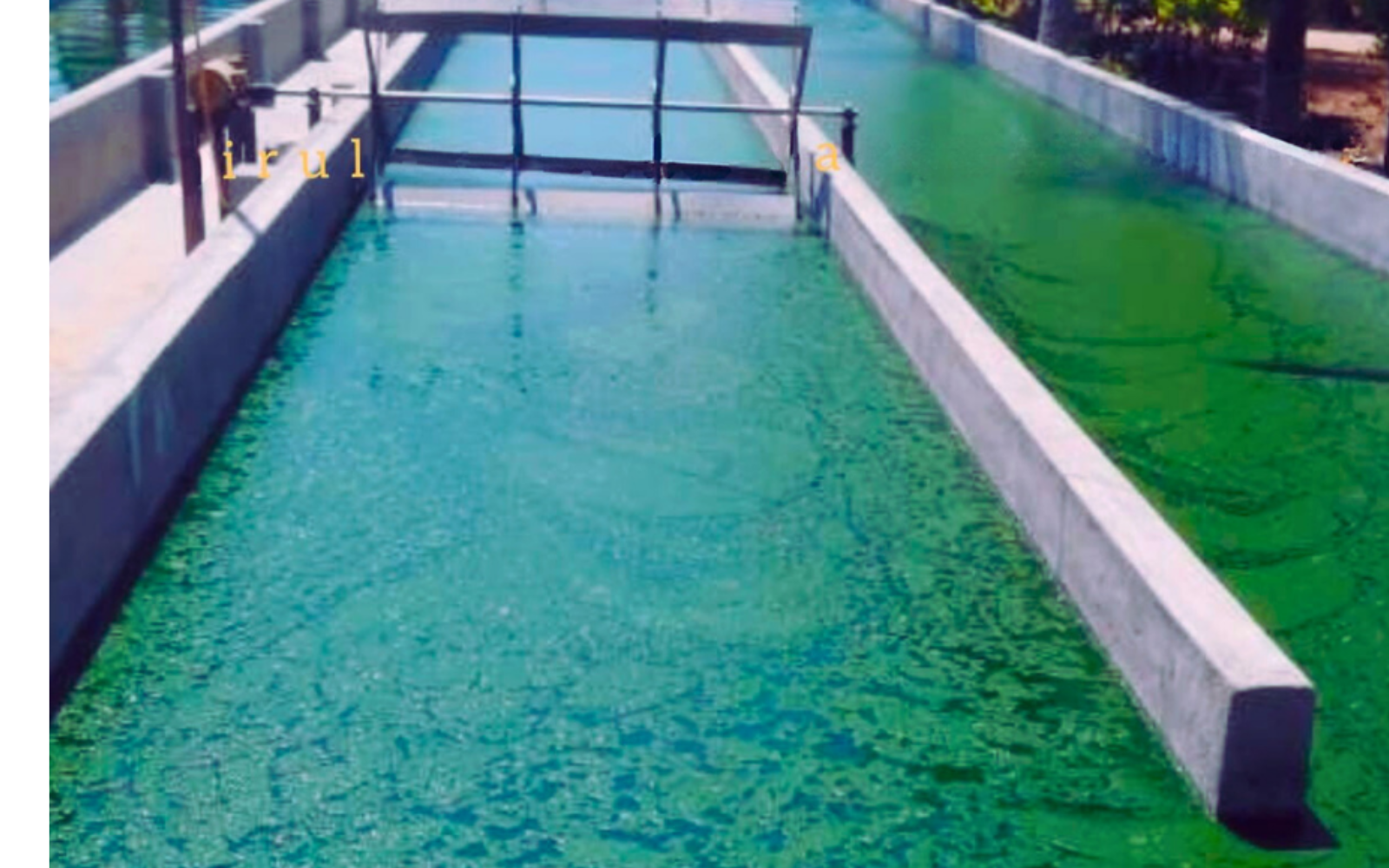
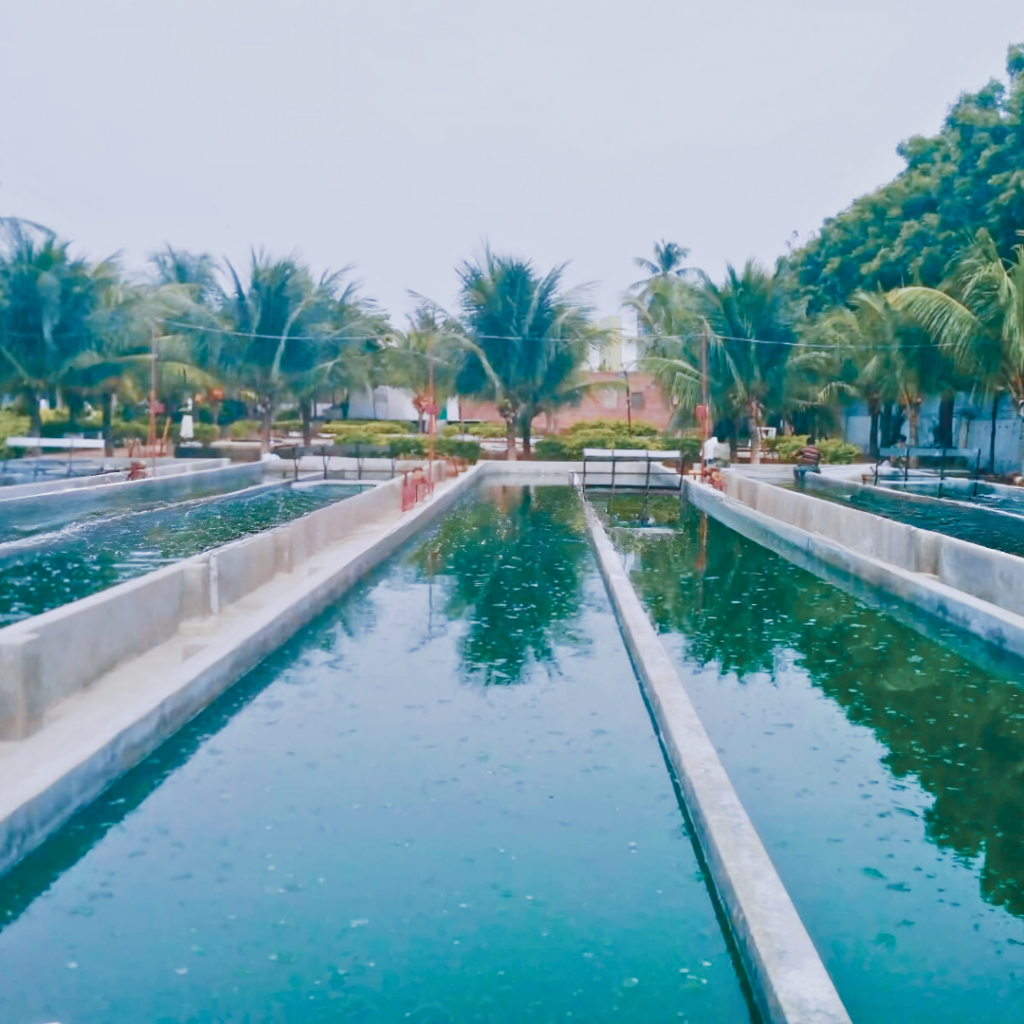
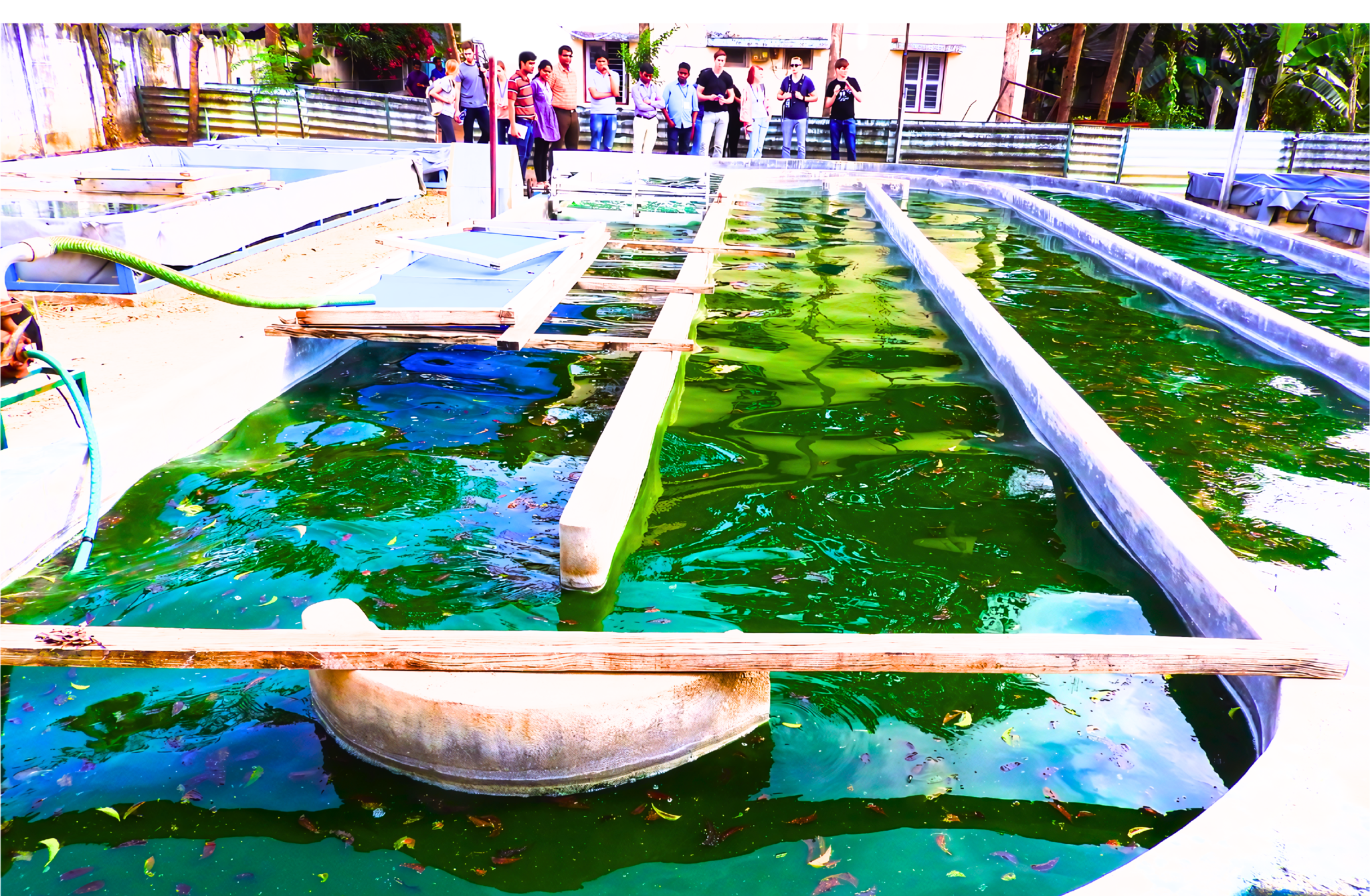
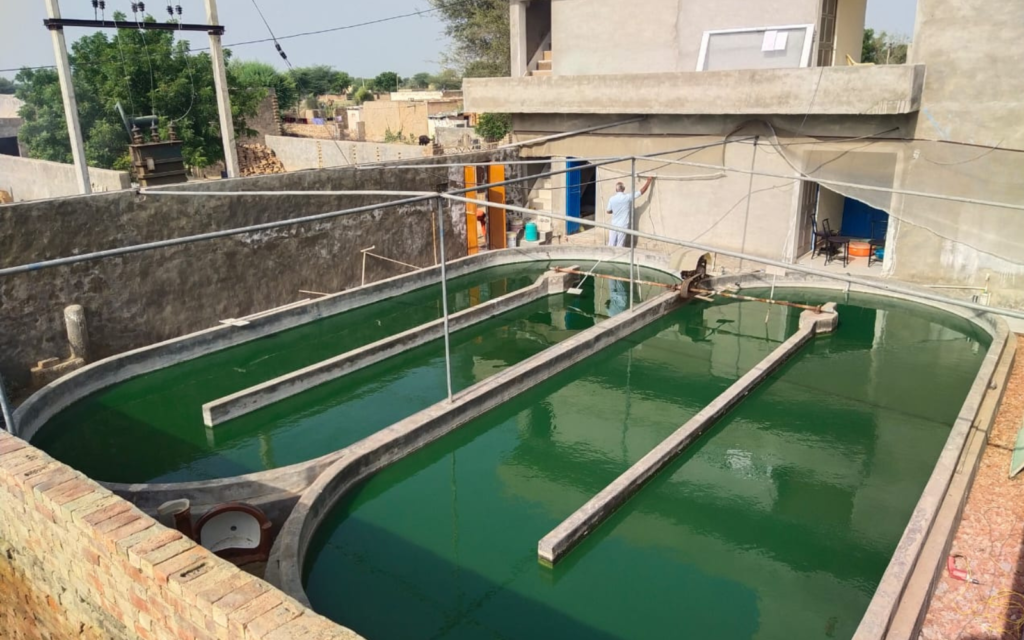
Build sustainable businesses around Spirulina cultivation, functional foods, nutraceuticals, superfoods, value-added health products, and sustainable nutrition solutions.
Spirulina is one of the world’s most nutrient-dense natural foods and is increasingly recognized for its role in nutrition, wellness, food security, sustainable agriculture, and value-added health products. Growing consumer awareness regarding health, immunity, natural nutrition, and preventive wellness continues to create opportunities for Spirulina-based enterprises.
Krishigence provides consultancy, technology transfer, training, project development support, feasibility studies, DPR preparation, and implementation guidance for Spirulina cultivation, processing, value addition, and nutraceutical enterprises.
Whether you are planning a home-scale unit, FPO-based project, SHG enterprise, commercial production facility, or integrated nutraceutical business, we help transform opportunities into sustainable enterprises.
A Small Organism with Significant Business Potential
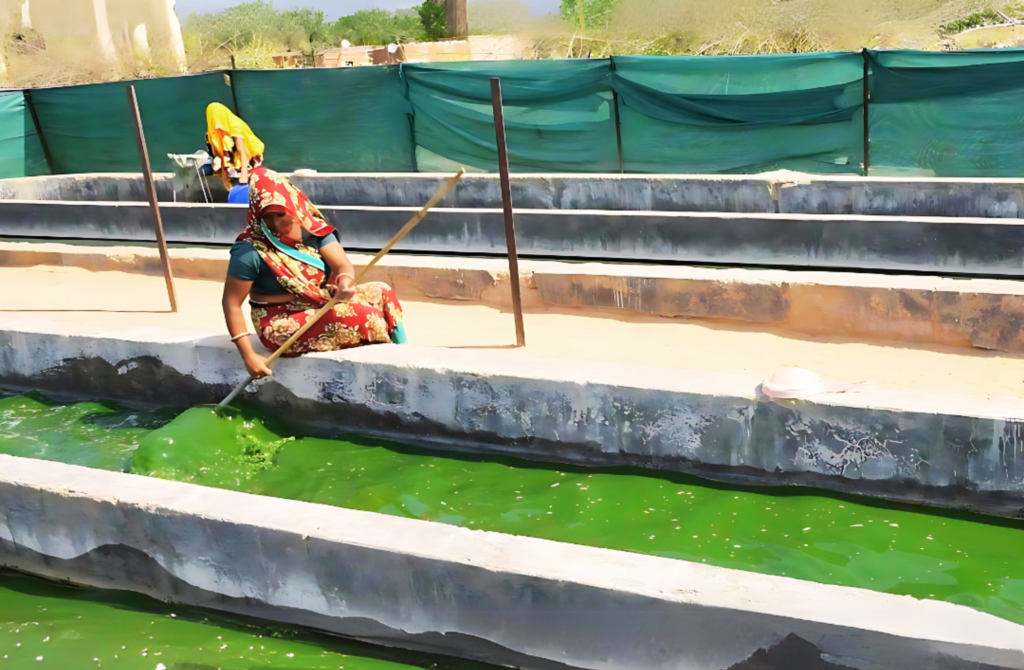
Spirulina is increasingly recognized as one of the most promising opportunities in the fields of nutrition, health, wellness, sustainable agriculture, and functional foods. It is rich in protein, vitamins, minerals, antioxidants, and natural pigments, making it valuable for human nutrition, dietary supplements, animal nutrition, aquaculture, and specialty food products.
Growing consumer awareness regarding immunity, preventive healthcare, natural nutrition, fitness, and sustainable food systems has created strong demand for Spirulina-based products in domestic and international markets.
Why Entrepreneurs Are Exploring Spirulina
High-Value Product
Spirulina offers significantly higher value per unit area compared to many conventional agricultural crops and can be processed into multiple value-added products.
Scalable Business Model
Production can begin at small scale and gradually expand into commercial cultivation, processing, branding, and nutraceutical manufacturing.
Sustainable Production System
Spirulina requires relatively limited land and can be produced in controlled systems with efficient resource utilization.
Growing Health & Wellness Market
The increasing demand for natural nutrition, functional foods, plant-based proteins, and nutraceutical products continues to create new market opportunities.
Multiple Revenue Streams
Entrepreneurs can generate income through fresh Spirulina, dried powder, tablets, capsules, value-added products, training, contract production, private labeling, and health-focused product lines.
Suitable for Diverse Groups
Spirulina enterprises can be developed by entrepreneurs, FPOs, SHGs, startups, educational institutions, NGOs, health businesses, and agribusiness companies.
WHO CAN BENEFIT FROM SPIRULINA ENTERPRISES
Flexible Opportunities Across Multiple Scales
One of the greatest strengths of Spirulina is its adaptability. Production systems can be established at household, community, institutional, or commercial scales depending on available resources, market objectives, and investment capacity.
Women Entrepreneurs & Home-Based Enterprises
Small-scale Spirulina production and value addition can create income-generating opportunities for women entrepreneurs interested in nutrition, wellness, and health-oriented products.
Farmer Producer Organizations (FPOs)
FPOs can integrate Spirulina production with value addition, branding, marketing, and community nutrition programs while creating additional income streams for member farmers.
Self Help Groups (SHGs)
Spirulina-based enterprises can provide livelihood opportunities through cultivation, processing, packaging, and local marketing activities.
Startups & Young Entrepreneurs
Spirulina offers opportunities in health products, nutraceuticals, direct-to-consumer brands, online sales, wellness products, and sustainable food systems.
Health & Wellness Businesses
Nutrition centers, wellness brands, fitness businesses, and preventive healthcare initiatives can integrate Spirulina into product portfolios and health programs.
Food Processing Companies
Food manufacturers can utilize Spirulina in functional foods, nutritional supplements, health beverages, fortified products, and specialty food formulations.
Educational Institutions & NGOs
Spirulina projects can support nutrition programs, entrepreneurship development, research activities, and community-based livelihood initiatives.
Multiple Ways to Build a Profitable Spirulina Enterprise
One of the major advantages of Spirulina is that it can support multiple business models depending on investment capacity, technical capability, market access, and business objectives. Entrepreneurs can begin with cultivation and gradually expand into processing, branding, value addition, contract manufacturing, and nutraceutical product development.
The key is identifying suitable products, understanding market demand, ensuring quality, and developing effective branding and distribution strategies.
Spirulina Cultivation & Raw Material Production
Production and sale of fresh or dried Spirulina for processors, nutraceutical companies, health product manufacturers, and institutional buyers.
Spirulina Powder Manufacturing
Processing Spirulina into high-quality powder for retail sales, bulk supply, private labeling, and value-added health products.
Tablets & Capsules
Manufacturing Spirulina tablets and capsules for health-conscious consumers, wellness brands, pharmacies, and nutraceutical markets.
Functional Foods & Health Products
Development of Spirulina-based food products including nutrition mixes, protein supplements, health drinks, fortified foods, snack products, and specialty nutrition formulations.
Private Label Manufacturing
Producing Spirulina products for third-party brands, health companies, wellness businesses, and online sellers.
Direct-to-Consumer Brands
Building proprietary brands and marketing Spirulina products through e-commerce, social media, wellness networks, and retail channels.
Nutrition & Community Health Programs
Supplying Spirulina for nutrition interventions, school nutrition initiatives, NGO projects, women and child health programs, and community development projects.
Training & Technology Transfer
Providing training, consultancy, project development support, and technical guidance for entrepreneurs, institutions, FPOs, and SHGs interested in Spirulina enterprises.
Export-Oriented Opportunities
Supplying Spirulina products to international markets where demand for natural nutrition, sustainable protein, and functional foods continues to grow.
WHY SPIRULINA MAKES SENSE FOR FPOs, SHGs & RURAL ENTERPRISES
Creating Sustainable Livelihoods Through Nutrition, Value Addition & Entrepreneurship
Many rural communities face challenges related to income diversification, employment generation, market access, and sustainable enterprise development. Spirulina offers a unique opportunity because it combines nutrition, health, sustainability, and entrepreneurship within a single business model.
Unlike many traditional agricultural activities, Spirulina production requires relatively limited land, can be established in controlled production systems, and offers opportunities for value addition, branding, and direct marketing.
Why FPOs Are Exploring Spirulina
Farmer Producer Organizations can utilize Spirulina as a value-added enterprise that complements existing agricultural activities while creating additional revenue streams for member farmers. FPOs can integrate production, processing, packaging, branding, and collective marketing to improve profitability.
Why SHGs Can Benefit
Spirulina production can be adapted for small-scale operations, making it suitable for Self Help Groups and women-led enterprises. Activities such as cultivation, harvesting, drying, packaging, marketing, and product preparation can generate employment and income at the community level.
Nutrition & Community Development
Spirulina has attracted attention in nutrition programs because of its rich nutrient profile. Community-based enterprises can support local nutrition initiatives while creating sustainable business opportunities.
Employment Generation
Spirulina enterprises can create opportunities in production, processing, packaging, quality control, marketing, distribution, training, and value-added product development.
Opportunities for Rural Youth
Young entrepreneurs can build businesses around health products, nutraceuticals, online marketing, wellness brands, direct-to-consumer sales, and innovative nutrition solutions.
Support for Sustainable Development
Spirulina aligns well with goals related to nutrition security, women empowerment, entrepreneurship development, resource efficiency, and sustainable livelihoods.
Potential Enterprise Models
• Individual Entrepreneur Units
• Women-Led Enterprises
• SHG-Based Production Units
• FPO-Owned Processing Facilities
• Community Nutrition Projects
• Rural Startup Ventures
• Social Enterprises
• Export-Oriented Businesses
Ignoring Quality Control
Quality assurance is essential for products intended for human consumption. Contamination, poor hygiene, and inadequate processing standards can significantly impact business credibility.
COMMON CHALLENGES & MISTAKES IN SPIRULINA ENTERPRISES
Learning from Real-World Experience
Spirulina is often promoted as a simple and highly profitable business opportunity. While the potential is significant, successful production requires proper planning, technical understanding, quality control, and market development. Many projects struggle because critical aspects are overlooked during planning and implementation.
Common Mistakes We Frequently Observe
Treating Spirulina as a Simple Farming Activity
Spirulina production is a biological process requiring careful control of water quality, culture health, nutrient balance, harvesting practices, drying methods, hygiene, and product quality.
Inadequate Technical Knowledge
Many entrepreneurs establish production systems without understanding culture management, contamination control, harvesting techniques, quality standards, and production economics.
Poor Site Selection
Unsuitable locations, inadequate water quality, unreliable power supply, poor drainage, and lack of environmental control can negatively affect productivity and product quality.
Compromising on Drying & Processing
The quality of Spirulina is heavily influenced by harvesting, drying, processing, and storage practices. Poor drying methods can reduce nutritional value, product stability, and market acceptance.
Ignoring Quality Control
Quality assurance is essential for products intended for human consumption. Contamination, poor hygiene, and inadequate processing standards can significantly impact business credibility.
Assuming Production Guarantees Sales
Many entrepreneurs focus on production but give insufficient attention to branding, packaging, certification, distribution channels, customer education, and market development.
Lack of Value Addition
Selling only raw Spirulina powder often limits profitability. Value-added products, branding, private labeling, and specialized formulations can create additional revenue opportunities.
Unrealistic Expectations
Spirulina can be a profitable enterprise, but success requires planning, patience, quality management, consistent production, and effective marketing.
How Krishigence Helps Reduce Risk
Our approach focuses on technical training, feasibility assessment, business planning, quality management, processing guidance, market understanding, and practical implementation support. By addressing challenges early, entrepreneurs can avoid costly mistakes and build stronger enterprises.
WHY KRISHIGENCE FOR SPIRULINA PROJECTS
Practical Guidance for Building Sustainable Spirulina Enterprises
The success of a Spirulina enterprise depends on much more than cultivation alone. It requires technical knowledge, quality management, processing expertise, business planning, market understanding, value addition, and long-term commercialization strategies.
At Krishigence, we approach Spirulina as a complete enterprise development opportunity rather than simply a cultivation activity.
Integrated Understanding of Production & Business
Our approach combines technical production systems with practical business planning, helping entrepreneurs understand both cultivation requirements and commercial realities.
Experience in Agribusiness Development
Our work spans agriculture, biotechnology, food processing, biological inputs, mushroom cultivation, tissue culture, value addition, sustainable agriculture, and rural enterprise development. This multidisciplinary experience helps us evaluate opportunities from both technical and commercial perspectives.
Focus on Value Addition
The future of Spirulina lies not only in cultivation but also in processing, branding, nutraceutical products, functional foods, private labeling, and specialized health products. We help clients explore opportunities beyond raw material production.
Support Across Multiple Scales
Whether you are planning a home-scale unit, SHG enterprise, FPO project, startup venture, institutional initiative, or commercial production facility, we help develop solutions appropriate to your objectives and resources.
Project Development Expertise
We assist clients with opportunity assessment, feasibility studies, DPR preparation, technology evaluation, financial planning, implementation strategy, and business model development.
Training & Technology Transfer
Practical training, operational guidance, production protocols, and technical support help entrepreneurs develop confidence and competence before making significant investments.
Commitment to Sustainable Development
Spirulina represents an opportunity to address nutrition, sustainability, entrepreneurship, and livelihood development simultaneously. Our goal is to help clients build enterprises that are commercially viable, socially beneficial, and environmentally responsible.
What We Bring to Every Spirulina Project
Practical Agribusiness Experience
Technical Guidance
Feasibility Assessment
DPR Preparation
Technology Transfer
Business Model Development
Value Addition Strategies
Market-Oriented Thinking
Sustainability Focus
Long-Term Partnership Approach
OUR SERVICES
Comprehensive Support for Spirulina, Functional Foods & Nutraceutical Enterprises
Building a successful Spirulina enterprise requires more than production alone. Technical expertise, project planning, quality management, value addition, branding, market development, and implementation support all play important roles in long-term success.
Krishigence provides end-to-end support for entrepreneurs, FPOs, SHGs, startups, institutions, investors, and agribusiness companies seeking to establish sustainable Spirulina and nutraceutical enterprises.
Krishigence provides end-to-end support for entrepreneurs, FPOs, SHGs, startups, food processors, investors, agribusiness companies, institutions, and development organizations seeking to establish sustainable and profitable food enterprises.
Spirulina Project Consultancy
Professional guidance for planning, evaluating, and developing Spirulina-based enterprises at various scales.
Detailed Project Reports (DPRs)
Preparation of bankable project reports covering technical, financial, operational, market, and implementation aspects.
Feasibility Studies
Assessment of technical viability, market opportunities, investment requirements, operational challenges, and long-term sustainability.
Technology Transfer
Transfer of production protocols, cultivation practices, processing methods, quality standards, and operational systems.
Training Programs
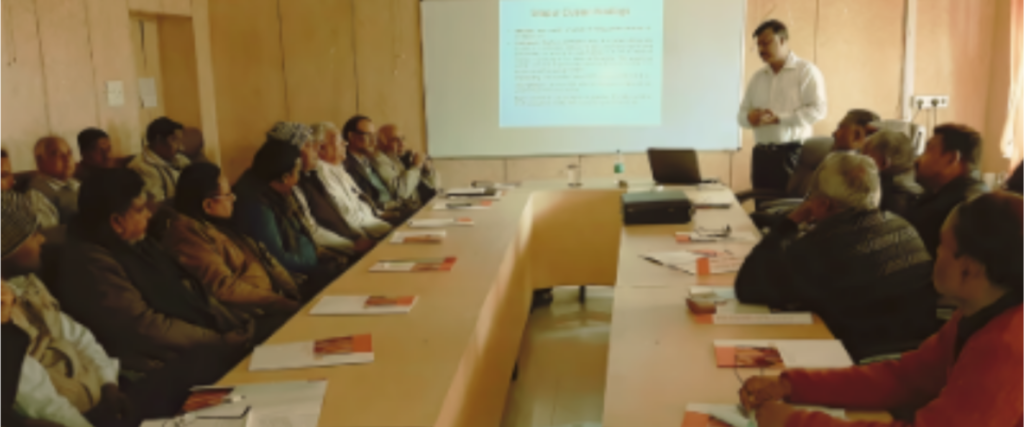
Practical training for entrepreneurs, FPOs, SHGs, institutions, and technical personnel interested in Spirulina production and value addition.
Production System Design
Guidance on cultivation systems, infrastructure requirements, harvesting systems, drying technologies, and operational workflows.
Processing & Value Addition
Assistance in product positioning, branding strategies, packaging concepts, market development, and commercialization planning.
Brand Development & Marketing Guidance
Support for Spirulina powder, tablets, capsules, nutrition products, health supplements, and functional food development.
“Food processing transforms agricultural produce into higher-value products, stronger brands, sustainable enterprises, and greater income opportunities.”
Building Enterprises Across Multiple Scales
One of the most attractive aspects of Spirulina is its flexibility. Entrepreneurs can begin with small production systems and gradually expand into processing, value addition, branding, nutraceutical manufacturing, and export-oriented businesses.
The most suitable model depends on investment capacity, market objectives, technical expertise, available infrastructure, and long-term business goals.
trends.
The most successful projects are those that combine local resource availability with market demand, product quality, branding, and sustainable business models.
Home & Rooftop Spirulina Units
Small-scale production systems suitable for self-consumption, local sales, awareness programs, training activities, and initial business exploration.
Micro Enterprise Models
Small commercial units focused on local markets, direct consumer sales, health-conscious communities, and value-added nutrition products.
SHG & Women-Led Enterprises
Community-based production and processing systems designed to generate livelihoods, local employment, and nutrition-oriented businesses.
FPO-Based Spirulina Projects
Collective production, processing, packaging, branding, and marketing models that create additional revenue streams for Farmer Producer Organizations.
Startup & Wellness Brands
Development of branded Spirulina products, health supplements, wellness solutions, online businesses, and direct-to-consumer nutrition brands.
Processing & Value Addition Units
Production of Spirulina powder, tablets, capsules, nutrition blends, fortified foods, and functional food products.
Contract Production & Private Label Manufacturing
Manufacturing Spirulina products for established brands, health companies, nutraceutical businesses, and retail organizations.
Commercial Production Facilities
Large-scale cultivation and processing facilities designed for regional, national, and industrial markets.
Export-Oriented Enterprises
Integrated production, quality management, processing, packaging, certification, and international market development for export-focused businesses.
Integrated Nutraceutical Enterprises
Combining Spirulina production with functional foods, dietary supplements, herbal products, health formulations, and wellness-focused product portfolios.
Choosing the Right Model
The best project model depends on market opportunities, technical capability, investment level, product strategy, and long-term business objectives. Proper planning can help entrepreneurs select scalable models that match their resources and growth ambitions.
Processing & Value Addition Units
Production of Spirulina powder, tablets, capsules, nutrition blends, fortified foods, and functional food products.
GOVERNMENT SUPPORT, FPO OPPORTUNITIES & INSTITUTIONAL PROGRAMS
Leveraging Institutional Support for Sustainable Spirulina Enterprises
Spirulina enterprises align with several national priorities including nutrition security, women empowerment, entrepreneurship development, sustainable agriculture, rural livelihoods, food processing, and value addition. As a result, suitable projects may find opportunities within various government programs, development initiatives, startup ecosystems, and community development frameworks.
While support mechanisms vary by project type, location, eligibility, and prevailing guidelines, proper planning and documentation can significantly improve project readiness.
Farmer Producer Organization (FPO) Opportunities
FPOs can explore Spirulina production, processing, packaging, branding, and marketing as value-added enterprises that generate additional income and create community-level business opportunities.
Self Help Group (SHG) Enterprises
Women-led SHGs can develop Spirulina-based livelihood projects involving cultivation, processing, packaging, health products, and nutrition-focused businesses.
Startup & Innovation Opportunities
Spirulina-based startups focusing on nutraceuticals, functional foods, wellness products, online brands, and sustainable nutrition solutions may benefit from entrepreneurship ecosystems and innovation-focused initiatives.
Food Processing & Value Addition Programs
Projects involving processing, packaging, health supplements, nutrition products, and value-added food products may align with food processing and enterprise development initiatives.
Nutrition & Community Development Projects
Spirulina has been widely discussed within nutrition, public health, women empowerment, child development, and community nutrition programs because of its nutrient-rich profile.
Rural Enterprise Development
Spirulina projects can contribute to employment generation, women empowerment, income diversification, entrepreneurship development, and sustainable livelihood creation in rural areas.
Institutions Commonly Associated with Project Development
• NABARD
• Agriculture Infrastructure Fund (AIF)
• Startup India
• PM Formalisation of Micro Food Processing Enterprises (PMFME)
• Pradhan Mantri Kisan SAMPADA Yojana
• MSME Development Programs
• National Rural Livelihood Mission (NRLM)
• State Livelihood Missions
• FPO Promotion Programs
Nutrition & Community Development Initiatives
How Krishigence Can Help
✓ Opportunity Assessment
✓ Project Concept Development
✓ Feasibility Studies
✓ DPR Preparation
✓ Financial Projections
✓ Technology Selection
✓ Enterprise Development Planning
✓ FPO & SHG Project Design
✓ Training & Capacity Building
✓ Implementation Guidance
Our objective is to help entrepreneurs, FPOs, SHGs, startups, institutions, and development organizations build technically sound and commercially sustainable Spirulina enterprises capable of generating long-term economic and social impact.
Spirulina is a nutrient-rich blue-green microalgae widely used as a dietary supplement, functional food ingredient, and nutraceutical product due to its high protein, vitamin, mineral, and antioxidant content.
Profitability depends on production efficiency, quality management, market development, value addition, branding, and scale of operation. Well-managed enterprises can create multiple revenue streams.
Spirulina can be produced in relatively small areas using specially designed cultivation systems. Projects can range from rooftop units to commercial production facilities.
Proper technical training is strongly recommended to understand cultivation practices, harvesting, processing, quality management, and business planning.
Cultivation focuses on production, while a Spirulina business includes processing, branding, value addition, marketing, distribution, and customer development.
Professional consultation helps evaluate opportunities, assess risks, select suitable technologies, estimate investment requirements, and develop realistic business strategies before major investments are made.
CONSULTATION & PROJECT DISCUSSION CTA
Ready to Build a Spirulina, Functional Food or Nutraceutical Enterprise?
Spirulina represents far more than a cultivation activity. It offers opportunities in nutrition, health products, functional foods, value-added processing, nutraceuticals, community development, rural entrepreneurship, and sustainable business creation.
Whether you are exploring a home-scale venture, SHG enterprise, FPO project, startup opportunity, processing facility, wellness brand, or commercial production unit, proper planning can significantly improve your chances of long-term success.
At Krishigence, we help entrepreneurs, FPOs, SHGs, startups, institutions, investors, and agribusiness companies evaluate opportunities, assess feasibility, prepare project reports, select appropriate technologies, and develop practical implementation strategies.
How We Can Help
✓ Spirulina Project Consultancy
✓ Detailed Project Reports (DPRs)
✓ Feasibility Studies
✓ Technology Transfer
✓ Training Programs
✓ Production System Design
✓ Processing & Value Addition
✓ Functional Food Development
✓ Nutraceutical Business Planning
✓ Branding & Marketing Guidance
✓ Quality Management Systems
✓ Turnkey Project Support
Let’s Discuss Your Project
If you are considering a Spirulina business, functional food venture, nutraceutical enterprise, community nutrition project, or value-added health product opportunity, we would be pleased to understand your objectives and discuss suitable solutions.
Schedule a consultation and take the first step toward building a technically sound, commercially viable, and sustainable enterprise.