Page title: Food Processing, Value Addition & Agro-Based Enterprises
Food Processing, Value Addition & Agro-Based Enterprise Development
Transform agricultural produce into high-value products through food processing, value addition, branding, packaging, and sustainable enterprise development.
Food Processing, Value Addition & Agro-Based Enterprise Development
Transform Agricultural Produce into High-Value Products, Sustainable Enterprises, and Growing Brands
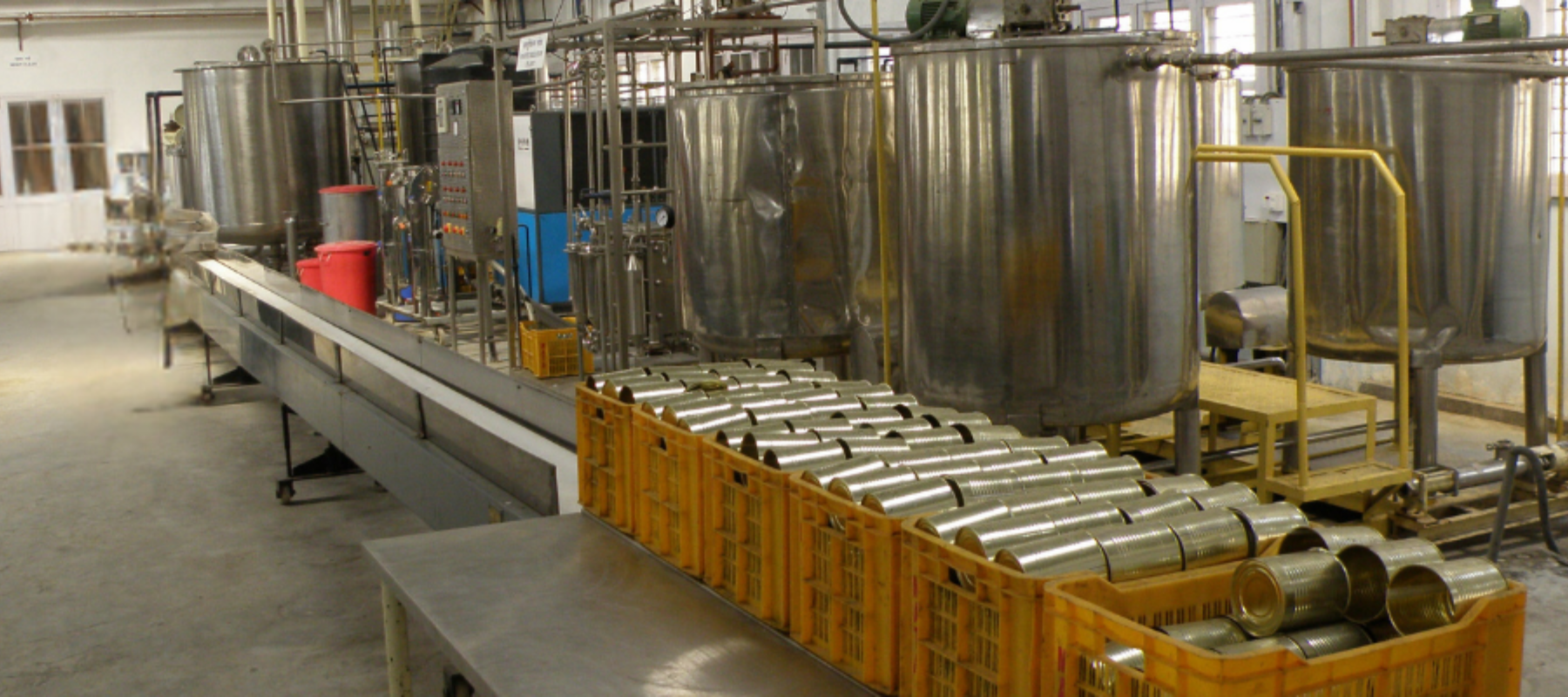
Food processing is one of the most powerful tools for increasing farmer income, reducing post-harvest losses, generating employment, improving market access, strengthening rural economies, and building sustainable agribusiness enterprises.
From home-based food ventures and SHG enterprises to commercial processing facilities, export-oriented units, and integrated food parks, food processing offers opportunities across multiple scales of investment and operation.
India produces vast quantities of fruits, vegetables, grains, milk, spices, mushrooms, medicinal plants, and agricultural commodities. Yet significant opportunities remain untapped in processing, packaging, branding, value addition, distribution, and market development.
Farmer Producer Organizations (FPOs), Self Help Groups (SHGs), startups, entrepreneurs, investors, food businesses, and agribusiness companies can leverage food processing to create profitable enterprises while contributing to employment generation, nutrition, and rural development.
Krishigence provides consultancy, feasibility studies, DPR preparation, technology transfer, training, business planning, and implementation support for food processing units, value-added food products, functional foods, probiotics, traditional foods, ready-to-eat products, nutraceuticals, rural food enterprises, and agro-based industries.
Whether you are planning a micro-enterprise, community-based food business, startup venture, commercial processing facility, or large-scale food industry project, we help transform ideas into technically sound and commercially sustainable enterprises.
SECTION 2 – WHY FOOD PROCESSING IS A HIGH-POTENTIAL OPPORTUNITY
Turning Agricultural Produce into Higher Value Products
Food processing bridges the gap between production and consumption. It creates opportunities to increase product value, extend shelf life, improve marketability, reduce waste, and generate additional income from agricultural commodities.
Growing urbanization, changing lifestyles, increasing demand for convenience foods, health-conscious consumers, organized retail, e-commerce, exports, and institutional buyers continue to create opportunities for food processing enterprises.
Why Entrepreneurs Are Exploring Food Processing
Value Addition
Processing often increases the value of agricultural produce compared to selling raw commodities.
Reduced Post-Harvest Losses
Processing can help preserve surplus production and reduce losses caused by perishability.
Multiple Product Opportunities
A single raw material can often be converted into multiple marketable products.
Supportive Ecosystem
Food processing aligns with national priorities related to farmer income enhancement, value addition, rural development, and entrepreneurship promotion.
Growing Consumer Demand
Demand continues to increase for packaged foods, convenience products, health foods, beverages, nutraceuticals, specialty foods, and ready-to-cook products.
Employment Generation
Food processing creates opportunities in production, packaging, quality control, logistics, marketing, and distribution.
Suitable for Multiple Scales
Projects can range from micro-enterprises and SHG units to industrial processing plants and export-oriented businesses.
SECTION 3 – WHO CAN BENEFIT FROM FOOD PROCESSING ENTERPRISES
Creating Opportunities Across Agriculture, Entrepreneurship, and Rural Development
Food processing is one of the few sectors capable of creating opportunities from household enterprises to large-scale industrial ventures. It enables entrepreneurs to convert locally available agricultural produce into higher-value products while generating employment, reducing waste, and improving market access.
Whether the objective is self-employment, community development, value addition, export growth, or industrial investment, food processing offers opportunities across multiple scales and business models.
Farmer Producer Organizations (FPOs)
FPOs can establish processing, packaging, branding, and marketing enterprises based on crops produced by member farmers, thereby increasing value realization and strengthening collective business opportunities.
Employment Generation
Food processing creates opportunities in production, packaging, quality control, logistics, marketing, and distribution.
Women Entrepreneurs
Home-based and micro-enterprise food businesses can be developed around traditional recipes, healthy foods, bakery products, millet products, sweets, snacks, and value-added agricultural products.
Youth & Startups
Young entrepreneurs can build modern food brands, cloud kitchens, direct-to-consumer businesses, functional food companies, online food ventures, and specialty product businesses.
Suitable Enterprise Models
At Krishigence, we help entrepreneurs and organizations identify suitable food business opportunities, evaluate feasibility, develop business models, prepare project reports, and establish commercially sustainable enterprises.
Home-Based Food Businesses
SHG Food Enterprises
FPO Processing Units
Start-up Food Brands
Traditional Food Businesses
Bakery & Confectionery Units
Dairy Processing Ventures
Fruit & Vegetable Processing
Ready-to-Eat & Ready-to-Cook Foods
Functional Foods & Nutraceuticals
Export-Oriented Food Businesses
Industrial Food Processing Projects
SECTION 4 – FOOD PROCESSING BUSINESS MODELS & REVENUE OPPORTUNITIES
From Home-Based Enterprises to Industrial Food Processing Ventures
Food processing offers one of the widest ranges of business opportunities available today. Enterprises can be established with modest investments at household level or expanded into commercial processing facilities, regional brands, export-oriented businesses, and integrated food industries.
The key is identifying suitable products, understanding market demand, ensuring quality, and developing effective branding and distribution strategies.
Traditional Foods & Regional Specialties
Traditional sweets, snacks, namkeen, bakery products, regional delicacies, festival foods, ethnic foods, and specialty products continue to enjoy strong consumer demand across India.
Fruit & Vegetable Processing
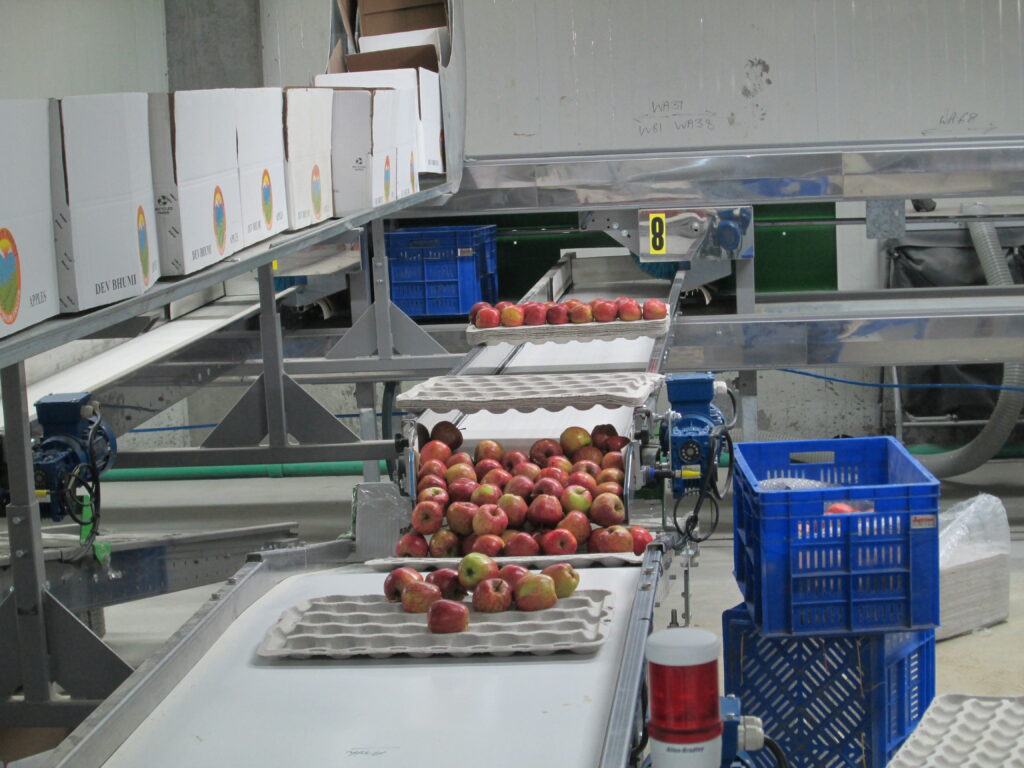
Processing of fruits and vegetables into juices, jams, squashes, pickles, sauces, chutneys, dehydrated products, frozen products, and ready-to-use ingredients.
Fruit & Vegetable Processing
Processing of fruits and vegetables into juices, jams, squashes, pickles, sauces, chutneys, dehydrated products, frozen products, and ready-to-use ingredients.
Bakery & Confectionery Products
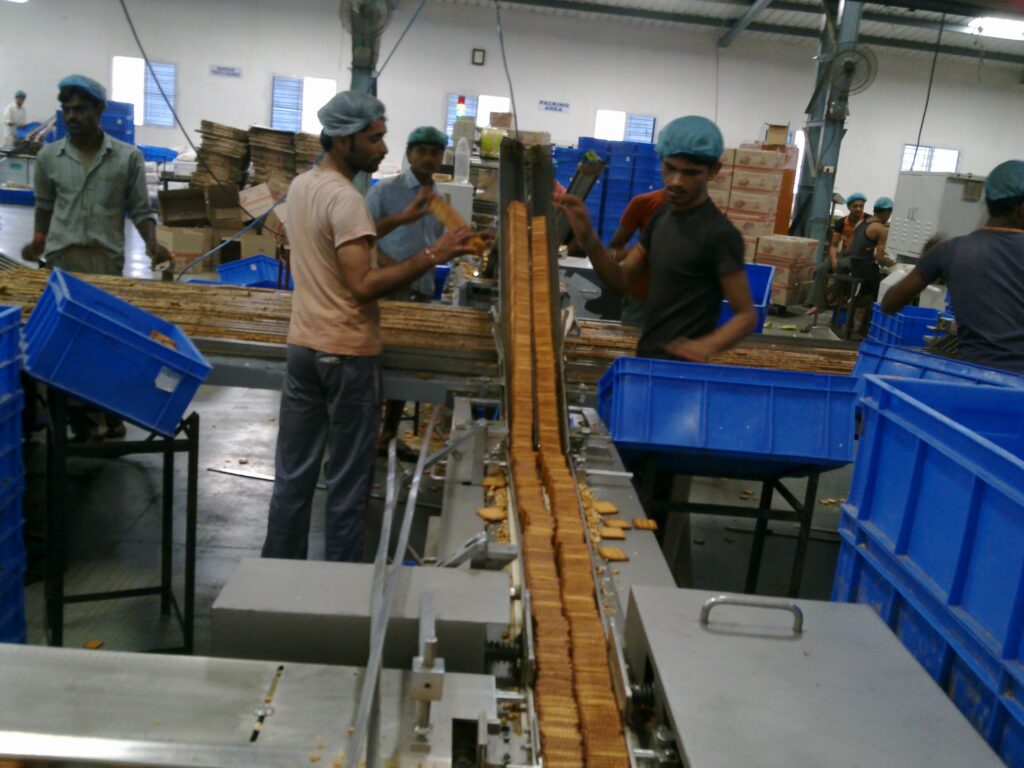
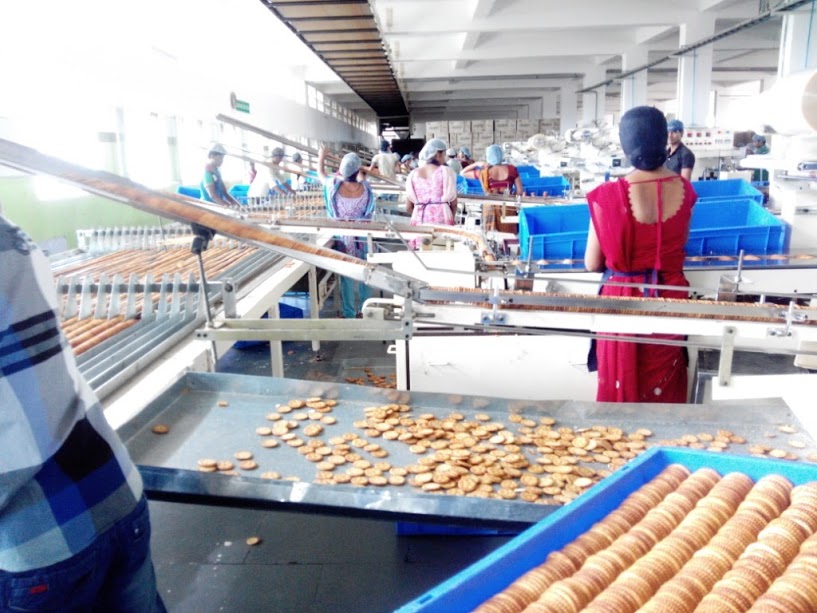
Bread, biscuits, cookies, cakes, traditional bakery products, premium confectionery, and specialty baked foods.
Ready-to-Eat & Ready-to-Cook Foods
Convenience foods, packaged meals, instant mixes, travel foods, and modern consumer products designed for busy lifestyles.
Food Service & Modern Retail Models
Food carts, specialty food kiosks, tourist destination food services, local food delivery models, branded snack counters, and innovative retail concepts.
Private Label Manufacturing
Manufacturing food products for established brands, retailers, supermarkets, wellness companies, and institutional buyers.
Export-Oriented Food Enterprises
Specialty foods, ethnic foods, nutraceuticals, spices, processed agricultural products, and premium Indian food products for international markets.
Institutional Supply Opportunities
Supplying processed foods to schools, hostels, hospitals, restaurants, hotels, caterers, government programs, and large organizations.
Selecting the Right Business Model
Successful enterprises are built by matching local resources, market demand, technical capability, investment capacity, and growth objectives. At Krishigence, we help entrepreneurs identify opportunities that are practical, scalable, and commercially sustainable
SECTION 5 – WHY FOOD PROCESSING MAKES SENSE FOR FPOs, SHGs & RURAL ENTREPRENEURS
Transforming Agricultural Produce into Sustainable Livelihoods
Food processing represents one of the most practical and scalable opportunities for creating rural enterprises, generating employment, improving farmer incomes, and strengthening local economies. Unlike many industries that require large investments and specialized infrastructure, food processing offers opportunities ranging from home-based businesses to commercial manufacturing units.
For Farmer Producer Organizations (FPOs), Self Help Groups (SHGs), women entrepreneurs, rural youth, and small investors, food processing provides a pathway to move beyond the sale of raw agricultural commodities and participate in higher-value segments of the food supply chain.
Why FPOs Are Ideally Positioned
FPOs already have access to agricultural produce, farmer networks, collective resources, and government support programs. By processing and branding products rather than selling raw commodities, FPOs can significantly improve value realization and create additional income opportunities for their members.
Why SHGs Can Succeed
Many food processing activities can be started at small scale using locally available resources and traditional knowledge. SHGs can engage in production, packaging, labeling, marketing, catering, food services, and value-added product manufacturing while creating sustainable livelihoods for members.
Opportunities for Women Entrepreneurs
Food processing allows women to convert culinary skills, traditional recipes, local food knowledge, and agricultural produce into profitable businesses. Home-based enterprises can gradually evolve into organized food brands and commercial ventures.
Employment Generation for Rural Youth
Food processing creates opportunities in production, quality control, packaging, logistics, digital marketing, branding, retailing, food delivery, and enterprise management.
Local Resources, Local Markets
Every district has unique agricultural products, traditional foods, local specialties, and market opportunities. These can be transformed into branded products serving local, regional, national, and even export markets.
Tourism & Food Entrepreneurship
Religious destinations, tourist circuits, parks, educational hubs, transport centers, and urban markets create opportunities for hygienic food carts, specialty food kiosks, regional delicacies, healthy snacks, ready-to-eat products, and branded food services.
Government & Institutional Support
Food processing aligns with multiple development objectives including employment generation, women empowerment, value addition, rural industrialization, nutrition improvement, and entrepreneurship development. As a result, FPOs, SHGs, startups, and food enterprises often find opportunities through various support programs, training initiatives, and enterprise development schemes.
Food Processing as a Rural Development Engine
Food processing not only creates business opportunities but also strengthens local economies by reducing wastage, creating jobs, increasing farmer incomes, supporting local supply chains, and promoting sustainable community development.
At Krishigence, we help FPOs, SHGs, entrepreneurs, startups, and rural enterprises identify suitable opportunities, prepare business plans, develop project reports, access technical knowledge, and establish commercially viable food businesses.
SECTION 6 – COMMON CHALLENGES & MISTAKES IN FOOD PROCESSING ENTERPRISES
Learning from Real-World Experience
Food processing is often perceived as a simple business because food products are consumed daily and market demand appears obvious. However, many enterprises struggle due to inadequate planning, poor product selection, weak quality systems, insufficient market understanding, and unrealistic business expectations.
Successful food businesses are built through careful planning, quality management, operational discipline, and market-driven strategies.
Common Mistakes We Frequently Observe
Starting Without Market Validation
Many entrepreneurs focus on production before understanding customer preferences, competition, pricing, distribution channels, and market demand.
Choosing the Wrong Product
Not every product is suitable for every location. A successful business model must consider local raw material availability, consumer demand, competition, logistics, and profitability.
Ignoring Product Shelf Life
Many food businesses fail because products spoil quickly, packaging is inadequate, or storage and distribution systems are poorly planned.
Overinvestment in Infrastructure
Entrepreneurs often invest heavily in buildings and machinery without first validating market demand, working capital requirements, and sales potential.
Underestimating Working Capital Needs
Food processing requires ongoing expenditure on raw materials, packaging, labour, utilities, transportation, marketing, and inventory management. Many projects underestimate these requirements.
Weak Branding & Packaging
Good products do not always sell automatically. Branding, packaging, labeling, product presentation, and consumer trust play a critical role in market success.
Lack of Quality & Food Safety Systems
Poor hygiene, inconsistent quality, inadequate process controls, and non-compliance with food safety requirements can damage reputation and restrict business growth.
Ignoring Regulatory Requirements
Food businesses often overlook licensing, labeling regulations, quality standards, and compliance requirements, creating operational and marketing challenges.
Dependence on a Single Product
Relying on only one product can increase business risk. Diversification and product portfolio development often improve stability and growth opportunities.
Copying Others Without Understanding the Business
Many entrepreneurs attempt to replicate existing businesses without understanding production processes, economics, quality systems, customer expectations, and market realities.
How Krishigence Helps Reduce Risk
Our approach combines technical expertise, market understanding, financial planning, quality management, business strategy, and implementation support. We help entrepreneurs identify realistic opportunities, avoid costly mistakes, improve operational efficiency, and develop commercially sustainable food enterprises.
Food processing success depends not only on manufacturing products but also on understanding markets, consumers, branding, quality, logistics, and business management.
SECTION 7 – WHY KRISHIGENCE FOR FOOD PROCESSING PROJECTS
Practical Experience Across Food Processing, Value Addition & Agribusiness Development
Food processing is far more than machinery installation and product manufacturing. Successful enterprises require an understanding of raw material supply, processing technology, quality systems, food safety, packaging, branding, market development, distribution, working capital management, and long-term business sustainability.
At Krishigence, we view food processing as a complete enterprise development opportunity rather than simply a manufacturing activity.
Multi-Sector Food Processing Experience
Our experience extends across diverse sectors including fruit and vegetable processing, mushroom processing, dairy products, bakery and confectionery, vinegar production, grain processing, edible oil processing, nutraceuticals, functional foods, biological products, cold chain infrastructure, and agro-based industries.
Understanding Beyond Production
Many projects focus only on machinery and production capacity. We focus on the entire business ecosystem including raw material availability, product selection, market demand, quality standards, packaging, branding, operational efficiency, and commercial viability.
Experience in Large & Small Projects
Our work includes exposure to micro-enterprises, SHG businesses, FPO projects, commercial processing facilities, integrated food parks, cold chain projects, agro-industrial ventures, and large-scale investment opportunities.
Focus on Value Addition
The greatest opportunities in food processing often arise not from producing more raw material but from creating better products, stronger brands, longer shelf life, improved packaging, and enhanced customer value.
Enterprise Development Approach
We help entrepreneurs evaluate opportunities, assess feasibility, prepare project reports, develop business models, identify technologies, and plan practical implementation strategies.
Support Across Multiple Scales
Whether the objective is a home-based food business, women-led enterprise, FPO processing unit, startup brand, commercial food factory, export-oriented venture, or integrated food processing project, we help develop solutions aligned with available resources and business goals.
Training & Technology Transfer
Practical knowledge transfer, skill development, operational guidance, and implementation support help entrepreneurs reduce risks and improve the likelihood of long-term success.
Commitment to Sustainable Food Systems
We believe food processing should contribute to farmer prosperity, rural employment, nutrition improvement, resource efficiency, waste reduction, and sustainable economic development.
Commitment to Sustainable Food Systems
We believe food processing should contribute to farmer prosperity, rural employment, nutrition improvement, resource efficiency, waste reduction, and sustainable economic development.
What We Bring to Every Food Processing Project
✓ Practical Industry Experience
✓ Food Processing Expertise
✓ Feasibility Assessment
✓ DPR Preparation
✓ Technology Selection
✓ Market-Oriented Planning
✓ Value Addition Strategies
✓ Quality & Food Safety Perspective
✓ Enterprise Development Support
✓ Long-Term Partnership Approach
SECTION 8 – OUR SERVICES
Comprehensive Support for Food Processing, Value Addition & Agro-Based Enterprises
Successful food businesses require more than machinery and production facilities. Long-term success depends on product selection, processing technology, quality systems, branding, packaging, market development, financial planning, and operational efficiency.
Krishigence provides end-to-end support for entrepreneurs, FPOs, SHGs, startups, food processors, investors, agribusiness companies, institutions, and development organizations seeking to establish sustainable and profitable food enterprises.
Detailed Project Reports (DPRs)
Preparation of professionally structured project reports covering technical, financial, operational, market, and implementation aspects for food processing and agro-based industries.
Feasibility Studies
Evaluation of market demand, raw material availability, processing technologies, investment requirements, profitability, and business sustainability.
Food Processing Consultancy
Professional guidance for planning, establishing, expanding, and improving food processing enterprises.
Product Development & Value Addition
Development of innovative food products, traditional foods, health foods, functional foods, ready-to-eat products, ready-to-cook products, and specialty food formulations.
Plant Layout, Infrastructure & Utility Planning
Planning of processing facilities, workflow systems, utility requirements, storage facilities, cold rooms, warehouses, and food manufacturing infrastructure.
Food Safety, Quality Systems & Compliance
Guidance related to hygienic production, quality management systems, food safety practices, standard operating procedures, and regulatory compliance.
Branding, Packaging & Commercialization
Support for product positioning, packaging concepts, labeling, branding strategies, and market development.
Training & Capacity Building
Practical training programs for entrepreneurs, FPOs, SHGs, food processors, technical staff, institutions, and rural enterprises.
Food Processing Units for FPOs & SHGs
Customized business models for community-based food enterprises, women-led food businesses, collective processing units, and rural entrepreneurship initiatives.
Traditional Foods & Regional Specialty Enterprises
Traditional Foods & Regional Specialty Enterprises
Turnkey Project Development Support
Development of enterprises based on traditional sweets, snacks, ethnic foods, regional delicacies, millet products, religious tourism foods, and local specialty products.
Support for health foods, probiotic products, Spirulina-based foods, mushroom products, wellness products, fortified foods, and nutraceutical enterprises.
Cold Chain, Pack House & Post-Harvest Infrastructure
Consultancy and project development support for cold storages, pack houses, ripening chambers, food logistics, and supply chain infrastructure.
Food Parks & Agro-Industrial Projects
Evaluation of existing facilities to identify productivity constraints, quality issues, operational bottlenecks, and growth opportunities.
Technical Audits & Business Improvement
Evaluation of existing facilities to identify productivity constraints, quality issues, operational bottlenecks, and growth opportunities.
Turnkey Project Development Support
Assistance from project concept to implementation, commissioning, training, operational startup, and business development.
SECTION 8 – OUR SERVICES
Comprehensive Solutions for Food Processing, Value Addition & Agro-Based Enterprise Development
At Krishigence, we support entrepreneurs, FPOs, SHGs, startups, food processors, investors, institutions, and agribusiness companies in transforming agricultural produce into profitable food businesses through technical guidance, project development, technology transfer, and implementation support.
Our Services Include
Our Services Include
Detailed Project Reports
Preparation of bankable DPRs covering technical, financial, operational, market, and implementation aspects for food processing and agro-based industries.
Feasibility Studies
Assessment of project viability, market opportunities, raw material availability, processing technologies, investment requirements, profitability, and long-term sustainability.
Food Processing Consultancy
Professional guidance for establishing, expanding, diversifying, and modernizing food processing enterprises.
Product Development
Development of innovative food products, traditional foods, health foods, functional foods, ready-to-eat products, ready-to-cook products, and specialty food formulations.
Technology Transfer
Selection of suitable processing technologies, equipment, production systems, and transfer of practical know-how for successful implementation.
Plant Layout Planning
Planning of processing facilities, workflow systems, utility requirements, storage facilities, cold rooms, warehouses, and food manufacturing infrastructure.
Food Safety Systems
Guidance related to hygienic production, quality management systems, food safety practices, standard operating procedures, and regulatory compliance.
Branding, Packaging
Support in product positioning, packaging design concepts, brand development, labeling strategies, and market entry planning.
Training & Capacity Building
Practical training programs for entrepreneurs, FPOs, SHGs, food processors, technical staff, institutions, and rural enterprises.
FPO & SHG Enterprises
Customized business models for community-based food enterprises, women-led food businesses, collective processing units, and rural entrepreneurship initiatives.
Traditional Foods
Development of enterprises based on traditional sweets, snacks, ethnic foods, regional delicacies, millet products, religious tourism foods, and local specialty products.
Functional Foods & Nutraceutical
Support for health foods, probiotic products, Spirulina-based foods, mushroom products, wellness products, fortified foods, and nutraceutical enterprises.
Cold Chain projects
Consultancy and project development support for cold storages, pack houses, ripening chambers, food logistics, and supply chain infrastructure.
Food Parks clusters
Support for integrated food parks, agro-processing clusters, common facility centers, and large-scale food processing investments.
Technical Audits
Evaluation of existing facilities to identify productivity constraints, quality issues, operational bottlenecks, and growth opportunities.
Turnkey Project Support
Assistance from project concept to implementation, commissioning, training, operational startup, and business development.
Customized Enterprise Development Models
Specially designed business opportunities for entrepreneurs, women, youth, FPOs, SHGs, startups, tourism destinations, institutional markets, and export-oriented enterprises.
“Food processing transforms agricultural produce into higher-value products, stronger brands, sustainable enterprises, and greater income opportunities.”
Exploring Opportunities Across Traditional Foods, Modern Food Processing & Value-Added Enterprises
Food processing offers opportunities across a wide range of products, technologies, investment levels, and market segments. From home-based enterprises to export-oriented manufacturing units, entrepreneurs can develop businesses around locally available resources, traditional knowledge, agricultural produce, and emerging consumer trends.
The most successful projects are those that combine local resource availability with market demand, product quality, branding, and sustainable business models.
Traditional Foods & Regional Specialties
Traditional sweets, namkeen, bakery products, ethnic foods, festival products, regional delicacies, and specialty foods continue to offer significant business opportunities across India.
Food carts, kiosks, specialty food outlets, tourist destination food businesses, local food delivery models, and branded food service concepts.
Export-Oriented Food Businesses
Indian specialty foods, nutraceuticals, spices, processed agricultural products, ethnic foods, and premium value-added products for global markets.
Choosing the Right Opportunity
The best project depends on local resources, technical capability, market demand, investment level, product strategy, and long-term business objectives. Krishigence helps entrepreneurs identify practical opportunities that can be successfully implemented and scaled.
“The greatest opportunities in food processing often arise when local resources, traditional knowledge, value addition, and market demand come together to create sustainable enterprises.”
SECTION 10 – GOVERNMENT SUPPORT, FUNDING OPPORTUNITIES & INSTITUTIONAL PROGRAMS
Building Food Enterprises Through Planning, Value Addition & Institutional Support
Food processing is one of the priority sectors for entrepreneurship development, value addition, employment generation, farmer income enhancement, rural industrialization, and export growth. As a result, various government programs, institutional initiatives, financial institutions, and development organizations support food processing and agro-based enterprises.
The availability of support depends on project type, promoter eligibility, location, investment size, applicable guidelines, and prevailing policies. Proper planning, feasibility assessment, and project documentation are often essential for evaluating suitable opportunities.
Farmer Producer Organization (FPO) Opportunities
FPOs can establish food processing, packaging, branding, storage, value addition, and marketing enterprises that increase farmer participation in higher-value segments of the food chain.
Self Help Group (SHG) Enterprises
Women-led SHGs can develop sustainable food businesses based on traditional foods, bakery products, spices, ready-to-cook foods, nutrition products, local specialties, and value-added agricultural products.
Food Startup Opportunities
Food startups can explore opportunities in functional foods, nutraceuticals, healthy snacks, mushroom products, Spirulina products, probiotics, regional food brands, and innovative food service models.
Food Processing & Value Addition Programs
Projects focused on processing, preservation, packaging, storage, branding, and market development may align with food processing and enterprise development initiatives.
Cold Chain & Post-Harvest Infrastructure
Cold storages, pack houses, ripening chambers, refrigerated logistics, warehouses, and food supply chain infrastructure continue to be important areas of investment.
Common Institutions Associated with Food Enterprise Development
• NABARD
• Agriculture Infrastructure Fund (AIF)
• PM Formalisation of Micro Food Processing Enterprises (PMFME)
• Pradhan Mantri Kisan SAMPADA Yojana
• Startup India
• MSME Development Programs
• National Rural Livelihood Mission (NRLM)
• State Livelihood Missions
• FPO Promotion Programs
• State Food Processing Missions
• Export Promotion Initiatives
Food Service & Tourism-Based Enterprises
Home-Based Food Businesses
SHG Food Enterprises
FPO Processing Units
Start-up Food Brands
Traditional Food Businesses
Bakery & Confectionery Units
Dairy Processing Ventures
Fruit & Vegetable Processing
Ready-to-Eat & Ready-to-Cook Foods
Functional Foods & Nutraceuticals
Export-Oriented Food Businesses
Industrial Food Processing Projects
Building Sustainable Enterprises
Our objective is to help entrepreneurs, FPOs, SHGs, startups, investors, and agribusiness companies develop technically sound, commercially viable, and sustainable food enterprises capable of long-term growth and impact.
Food processing involves converting agricultural produce into value-added products through cleaning, grading, preservation, packaging, processing, and branding to improve shelf life, quality, convenience, and market value.
Food processing can be highly profitable when supported by proper product selection, quality management, branding, packaging, and market development strategies.
Yes. Many businesses such as sweets, bakery products, pickles, spice blends, millet products, ready-to-cook foods, and specialty foods can begin at household scale and expand gradually.
Yes. SHGs can successfully operate food businesses involving traditional foods, snacks, bakery products, spices, value-added agricultural products, and local specialties.
A feasibility study helps assess technical viability, market demand, investment requirements, profitability, risks, and long-term sustainability before investment decisions are made.
Many processed food products have export potential when quality standards, certifications, packaging, and regulatory requirements are properly addressed.
Common challenges include product selection, quality control, shelf-life management, branding, packaging, market access, working capital, and regulatory compliance.
Ready to Build a Successful Food Processing Enterprise?
Food processing is one of the most powerful pathways for increasing farmer income, creating employment, reducing post-harvest losses, promoting rural industrialization, and developing sustainable businesses. Whether you are planning a home-based food venture, FPO processing unit, SHG enterprise, startup brand, commercial food factory, cold chain project, or export-oriented food business, proper planning is essential for long-term success.
At Krishigence, we help entrepreneurs, FPOs, SHGs, startups, investors, institutions, and agribusiness companies identify suitable opportunities, assess feasibility, select appropriate technologies, prepare project reports, and develop practical implementation strategies.
How We Can Help
✓ Food Processing Consultancy
✓ Detailed Project Reports (DPRs)
✓ Feasibility Studies
✓ Product Development & Value Addition
✓ Technology Selection & Transfer
✓ Plant Layout & Infrastructure Planning
✓ Food Safety & Quality Systems
✓ Branding & Packaging Strategies
✓ FPO & SHG Enterprise Development
✓ Cold Chain & Post-Harvest Projects
✓ Food Startup Development
✓ Turnkey Project Support
Who Should Contact Us?
Entrepreneurs Seeking New Business Opportunities
FPOs Looking for Value Addition Projects
SHGs Planning Community Enterprises
Women Entrepreneurs Starting Home-Based Food Businesses
Food Startups & Emerging Brands
Investors Evaluating Food Industry Opportunities
Food Processors Planning Expansion
NGOs & Development Organizations
Educational Institutions & Incubation Centres
Building Sustainable Food Enterprises
Our objective is to help entrepreneurs, FPOs, SHGs, startups, investors, and agribusiness companies develop technically sound, commercially viable, and sustainable food enterprises capable of long-term growth and impact.
Let’s Discuss Your Project
Whether your interest is in traditional foods, dairy processing, bakery products, mushroom processing, millet products, probiotics, nutraceuticals, food carts, tourism-based food enterprises, cold chains, food parks, or export-oriented food businesses, we would be pleased to understand your objectives and explore suitable solutions.
Schedule a consultation today and take the first step toward building a successful food processing and value addition enterprise.
Tell us about your project idea, available resources, product interests, investment plans, or business goals. Our team will review your requirements and discuss suitable opportunities and implementation strategies.
Select the fields to be shown. Others will be hidden. Drag and drop to rearrange the order.